The Ultimate Student Job Application Guide: CV, Cover Letter & Interview Masterclass
In Part One of our guide, we showed you where to find the best student jobs in Stoke-on-Trent. You’re now armed with the resources and a list of top employers. But finding the opportunity is only half the battle.
Now, we shift from discovery to strategy.
This is Part Two: your masterclass on crafting an application that doesn’t just get seen—it gets you hired. We’ll cover everything from building a powerful student CV with no experience to walking out of your interview with confidence.
1. How to Craft a Student CV That Gets Noticed
For many students, the CV is the most intimidating part. The big question is always: “What do I put if I have no ‘real’ work experience?” The answer is to reframe what “experience” means.

The “No Experience” Experience Section
Your education, projects, and extracurricular activities are packed with valuable, transferable skills. Instead of a “Work Experience” section, create a section called “Experience & Key Skills” or “Relevant Experience.”
- Academic Projects: Did you work on a group presentation, write a detailed report, or manage a research project? Describe it like a job.
- Example: “Led a 4-person team project on [Your Topic], conducting research, delegating tasks, and presenting findings to a group of 30 peers, achieving a first-class grade.”
- Volunteer Work: Any volunteering, from charity shop work to helping at a local event, is real experience.
- Hobbies & Interests: Are you captain of a sports team? (Leadership, teamwork). Do you run a small blog or social media account? (Digital marketing, writing). Do you code for fun? (Technical skills).
- Key Skills Section: Create a bulleted list of your “soft skills” (like Communication, Teamwork, Problem-Solving) and “hard skills” (like Microsoft Office, specific software, languages).
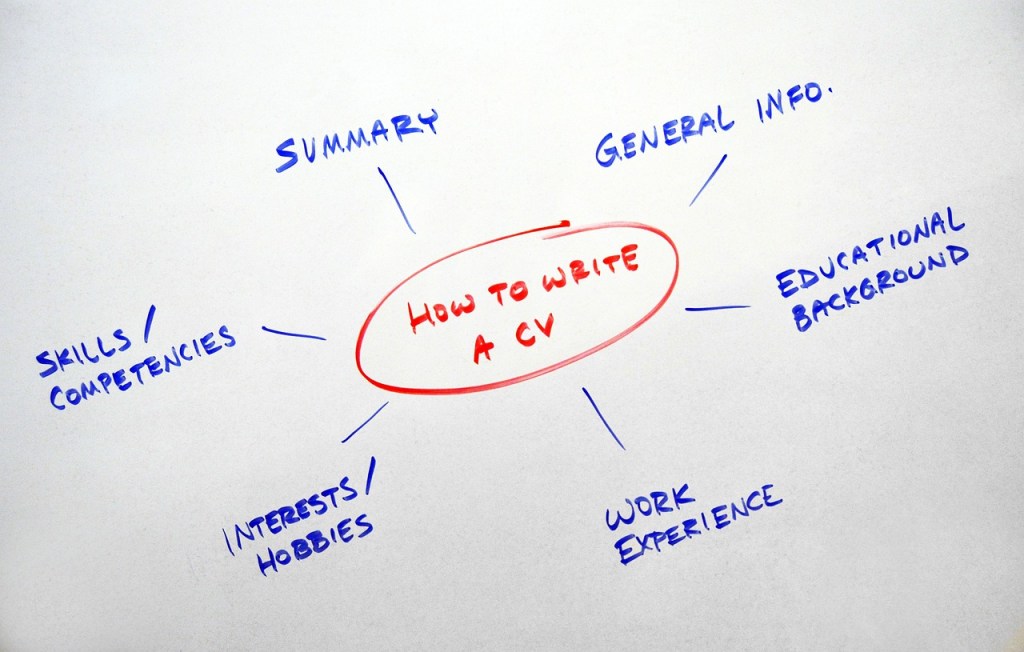
Structure of a Killer Student CV
Keep it to one page. Recruiters for part-time jobs scan CVs in seconds.
- Contact Information: Name, Phone Number, Email, LinkedIn URL (optional but professional).
- Personal Statement: A 2-3 sentence elevator pitch. “A motivated and reliable [Your Area of Study] student with strong communication skills seeking a part-time role where I can contribute to a positive customer experience.”
- Education: Your university/college, course, and expected graduation date. Mention relevant modules if they apply to the job.
- Experience & Key Skills: Your most important section (see above).
- Hobbies & Interests (Optional): Keep it brief and relevant.
- References: Simply write “References available upon request.
Example of a CV
[Your Name]
[Your Phone Number] | [Your Email] | [Your City, Postcode] | [Your LinkedIn URL (Optional)]

PERSONAL PROFILE
A motivated [Your Degree] student with a strong passion for [Industry/Field]. Eager to apply my skills in [Key Skill 1] and [Key Skill 2] to a challenging [Job Title] role. A collaborative team player with proven abilities in [Skill 3], seeking to contribute to a forward-thinking organization.

EDUCATION
[Your University Name] | [City]

[Your Degree] | [Start Date] – [Expected/End Date]

Relevant Modules: [Module 1], [Module 2], [Module 3]

Final Grade: [Expected Grade]

SKILLS

Technical: [Software/Tool 1], [Software/Tool 2], [Programming Language]

Languages: [Language] (e.g., Conversational, Fluent)

Soft Skills: Teamwork, Leadership, Communication, Problem-Solving, Time Management

EXPERIENCE & ACHIEVEMENTS
[Your Role/Title] | [Organization Name] | [City]

[Start Date] – [End Date]

[Use a bullet point to describe a key responsibility or achievement, starting with an action verb. Example: "Managed a team of 5 volunteers to organize a campus-wide fundraiser."]

[Another bullet point with a different accomplishment. Example: "Increased event attendance by 20% through targeted social media campaigns."]

ADDITIONAL ACTIVITIES

[Club/Society Name] | [Your Role] | [Dates]

[Describe your responsibilities or what you learned. Example: "Served as Secretary, managing meeting minutes and coordinating communication for a 50-member society."]

INTERESTS

[List a few interests that showcase your skills or personality, e.g., "Hiking (demonstrates perseverance), "Chess (strategic thinking)"]
2. How to Write a Cover Letter That Stands Out
A cover letter is your chance to show some personality and connect your skills directly to the job. Don’t just repeat your CV!
The Simple 3-Paragraph Formula
- Paragraph 1: The Hook. State the role you’re applying for and where you saw it advertised. Express your genuine enthusiasm for the company.
- Paragraph 2: The Pitch. This is the most important part. Pick 2-3 key requirements from the job description and explain how your skills or experiences match them. Give a specific example.
- Paragraph 3: The Close. Reiterate your interest, state your availability for an interview, and thank them for their time.
Real-World Example: Tailoring Your Application
Let’s say you used our tip from Part One and found a Food & Beverage role at Alton Towers, run by Aramark.
- Instead of saying: “I am a hard worker and a team player.”
- Tailor it like this: “I was excited to see the Food & Beverage Assistant role advertised on Indeed for Aramark at Alton Towers. Having visited the park, I’ve always been impressed by the fast-paced and friendly environment your teams create. In my role on a university society committee, I was responsible for organizing events, which required me to work effectively under pressure and communicate clearly with a team—skills I am confident would allow me to contribute positively to the visitor experience at the park.”
This shows you’ve done your research and connected your experience directly to their needs.
3. How to Confidently Answer Common Interview Questions
Interviews for student jobs are usually more about attitude and potential than deep experience. They want to know if you’re reliable, friendly, and willing to learn. Your secret weapon is the STAR Method.
- Situation: Briefly describe the context.
- Task: What was your goal or responsibility?
- Action: What specific steps did you take?
- Result: What was the outcome?
Let’s apply it to common questions:
Question 1: “Tell me about yourself.”
- Bad Answer: “I’m a student at Staffs Uni, I’m 19, and I need a job to help pay for my studies.”
- Good Answer: “I’m a second-year Marketing student at Staffordshire University, and I’m really passionate about understanding customer experience. In my studies, I’ve enjoyed projects focused on teamwork and communication, and now I’m eager to apply those skills in a practical, fast-paced environment like this one.”
Question 2: “Why do you want to work here?”
- Bad Answer: “It’s close to my house and the hours look good.”
- Good Answer: “I’ve been a customer here before and I’ve always been impressed by how friendly and efficient the staff are. Your company has a great reputation, and I want to be part of a team that takes pride in providing excellent customer service.”
Question 3: “Tell me about a time you worked in a team.” (Use STAR!)
- Good Answer:
- (S)ituation: “In my university course, we had a major group presentation worth 30% of our grade.”
- (T)ask: “My role was to manage the research and ensure we met our deadline.”
- (A)ction: “I created a shared document with a schedule, delegated research topics based on each person’s strengths, and organized weekly check-ins to make sure we were on track.”
- (R)esult: “As a result, we submitted our project a day early, worked really well together without any last-minute stress, and received a first-class mark.”
You now have the complete playbook. Combine the ‘where’ from Part One with the ‘how’ from this guide, and you’ll be on your way to landing your perfect student job.








 Berich Information
Leave a comment